How Much Does It Cost to Start a Clothing Business in Nigeria?
SwiftPOS Team
Published October 17, 2026

₦150,000. That's the absolute bare minimum you might need to scrape together for initial stock if you're thinking about how much does it cost to start a clothing business in Nigeria in 2026, especially if you're going small-scale, like selling ready-to-wear pieces from Aba or Balogun Market. But let's be real, that's just for the clothes. The actual cost to start a clothing business in Nigeria, and to keep it running, is usually much higher once you factor in everything else. This isn't just about buying a few shirts; it's about setting up a proper operation that can actually make you money.
A busy tailor's shop with colorful fabricsThe Reality Check: What Nobody Tells You About Starting a Clothing Business in Nigeria
Look, everyone talks about the glamour of owning a fashion business, right? They show you Instagram pages with sleek designs and perfect models. What they don't tell you is the sheer grit and naira you'll pour into it before you even sell your first dress. Most guides gloss over the nitty-gritty, the generator fuel, the unpredictable rent increases, and the constant hustle for reliable suppliers. You’ll hear things like, "just start small," which is true, but "small" still needs proper funding and planning.
Here's the thing: many aspiring fashion entrepreneurs in Nigeria underestimate the initial capital required by as much as 40-50%. They think about the clothes, maybe the shop rent, and forget about things like proper inventory management systems, staff salaries, and the inevitable power issues. I’ve seen countless shops open with so much promise, only to fold within a year because they ran out of cash faster than they ran out of stock. It's a tough market, and without a solid understanding of your fashion business capital, you're setting yourself up for a struggle. You need to know the hidden costs, the ones that sneak up on you and drain your working capital.
What You Actually Need to Get Started
Before you even think about fabric swatches or mannequin poses, you need to understand the foundational costs. This isn't just a shopping list; it's your survival guide for a clothing shop cost breakdown.
Non-Negotiables (Stuff you absolutely cannot skip):
- Business Registration (CAC): You need to make it official. For a sole proprietorship, you're looking at ₦15,000 – ₦35,000. If you're going for a limited company, expect to pay more. Don't skip this; it adds credibility and protects you.
- Shop Rent (Annual): This is usually your biggest upfront cost. A small market stall in a less prime area might be ₦80,000 annually, but a decent boutique space in a bustling area like Ikeja or Victoria Island could easily hit ₦2,500,000 or even more. Remember, it's paid annually here, not monthly. Plan for at least one year's rent upfront.
- Shop Renovation/Fixtures: Even basic shelving and a changing room will cost you. Think ₦50,000 for simple improvements in a small space, up to ₦750,000 for custom displays and better aesthetics in a modern boutique. People buy with their eyes, so your shop's appearance matters.
- Initial Stock Purchase (Wholesale): This is where your clothing business startup cost truly begins to show. You need clothes to sell, obviously. For a small batch of local ready-to-wear items from places like Aba or Lagos Island markets, you might start with ₦150,000. If you're looking at diverse, higher-end, or imported fashion items, prepare to spend up to ₦2,000,000 or more. Don't put all your eggs in one basket; start with a diverse but manageable collection.
- Mannequins/Hangers: You can't just pile clothes on the floor. Basic plastic mannequins and a decent set of hangers will set you back ₦20,000. If you want high-quality, full-body display sets, that could go up to ₦150,000.
- Generator (Small): This is Nigeria, my friend. Power is not guaranteed. A small generator is essential for light, fans, and your POS system. Budget ₦120,000 – ₦400,000. Don't joke with this; customers won't wait in the dark.
- Miscellaneous/Contingency: Always have a buffer for the unexpected. Things break, permits pop up, or you need some branding materials. Allocate ₦50,000 – ₦300,000 for this.
- Sewing Machine (if producing): If you plan to produce your own designs, a basic domestic machine is around ₦70,000, while an industrial one could be ₦300,000.
- Marketing/Social Media Promotion (Monthly): You need to get the word out. Start with ₦10,000 for basic organic promotion and boosted posts, or up to ₦100,000 for targeted paid ads on Instagram and Facebook.
- Transportation/Logistics (Monthly): Moving stock from Balogun Market to your shop, or even interstate sourcing, will cost you. Budget ₦15,000 – ₦100,000 monthly, depending on your scale.
The Complete Step-by-Step Breakdown
Starting a clothing business in Nigeria isn't just about passion for fashion; it's about following a clear roadmap. Each step needs your attention and a bit of your capital.
Step 1: Craft Your Business Plan and Secure Funding
Before you spend a single naira, you need a solid plan. What kind of clothing will you sell? Who is your target customer? Where will you source your products? How will you market? This isn't just a formality; it's your blueprint.
Once your plan is clear, figure out your funding. Are you bootstrapping from savings, getting a loan from a microfinance bank, or perhaps finding a partner? Be realistic about how much you need. Most new businesses fail not because they don't have a good product, but because they run out of cash.
Step 2: Legalize Your Operations
This step is non-negotiable. You need to register your business with the Corporate Affairs Commission (CAC). It gives you legal standing and opens doors for things like bank accounts and larger supplier deals.
The cost for business registration can range from ₦15,000 for a sole proprietorship to ₦35,000 for a limited company. Don't try to cut corners here; it will cost you more in the long run. Get your Tax Identification Number (TIN) sorted too.
Step 3: Find Your Perfect Location and Set Up Shop
Location, location, location! For a clothing business, this is critical. Are you aiming for a busy street, a market stall, or a more upscale boutique in a mall? Your rent will vary wildly. A small shop in a local market in a place like Oshodi might go for ₦150,000 annually, while a prime spot in Lekki could be ₦2,000,000 or more.
After securing your space, you'll need to make it presentable. This includes painting, shelving, lighting, and a changing room. Don't underestimate the power of a well-arranged shop; it draws customers in. Budget ₦50,000 to ₦750,000 for this, depending on your vision.
Step 4: Source Your Inventory
This is the heart of your clothing business. Where will your clothes come from? Are you buying wholesale from local markets like Balogun or Onitsha Main Market? Are you importing? Or are you producing your own designs?
For initial stock, a diverse collection of local ready-to-wear items might start around ₦150,000. If you're going for imported goods or a wider range, prepare for ₦750,000 to ₦2,000,000. Always start with a manageable inventory, track what sells, and then scale up. This is where a good system comes in handy. You need to know what you have, what you've sold, and what you need to reorder. A system like SwiftPOS can help you manage your products and stock across categories, ensuring you don't run out of popular items or get stuck with dead stock.
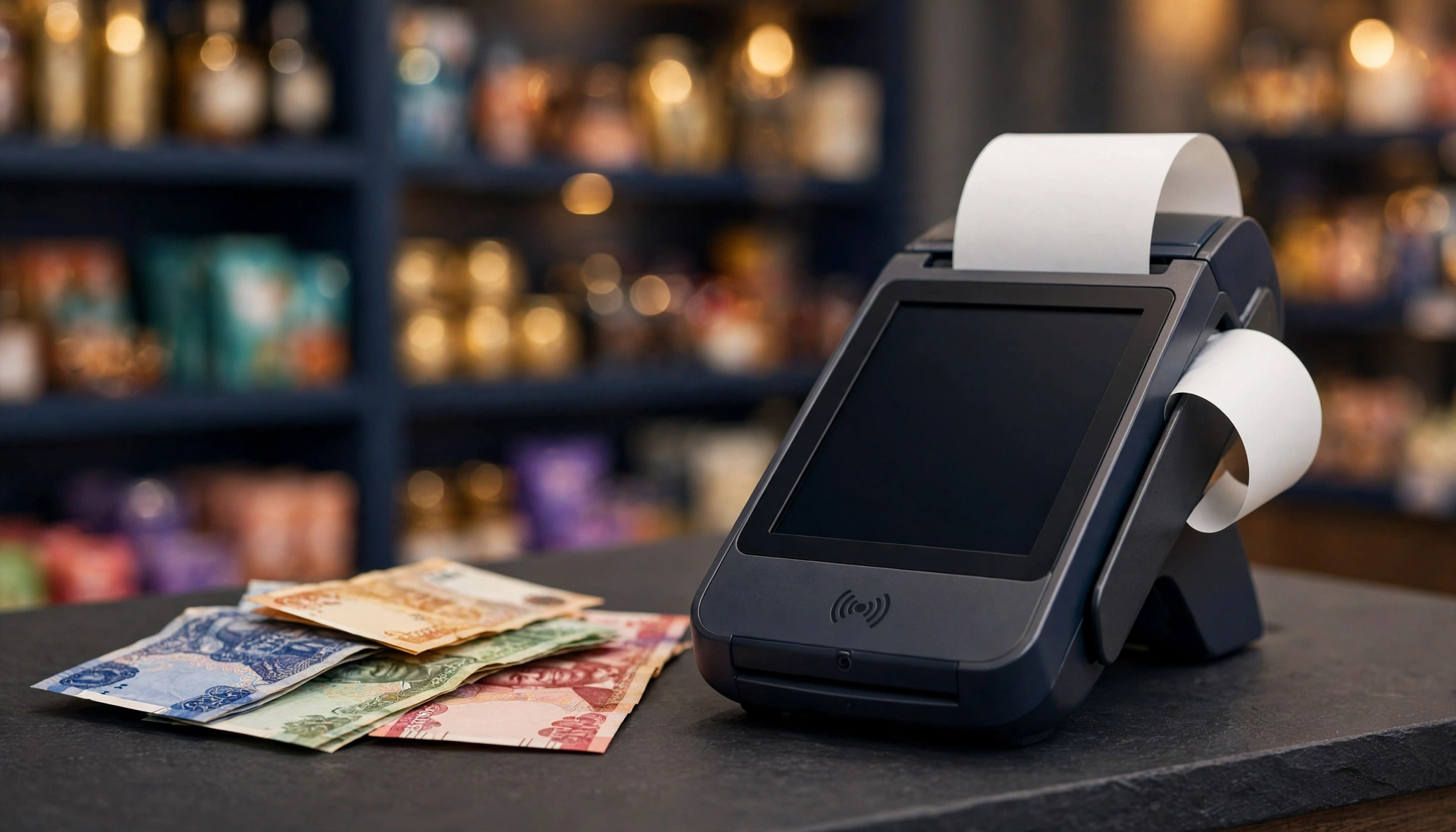 A cashier uses a pos system to process
Step 5: Staffing and Operations
Even if you start alone, you might eventually need help. A sales assistant can free you up to focus on other aspects of the business. An entry-level sales assistant in a smaller town might earn ₦40,000 monthly, while an experienced one in Lagos could command ₦80,000.
Beyond staff, you need to think about daily operations. How will you track sales? Manage inventory? Handle customer payments? This is where technology steps in. Using a reliable POS system is no longer a luxury; it's a necessity. It helps you manage sales, track inventory, and even monitor staff activity. Imagine a system that tells you exactly how many red dresses you have left in stock, or which staff member sold the most on a particular day.
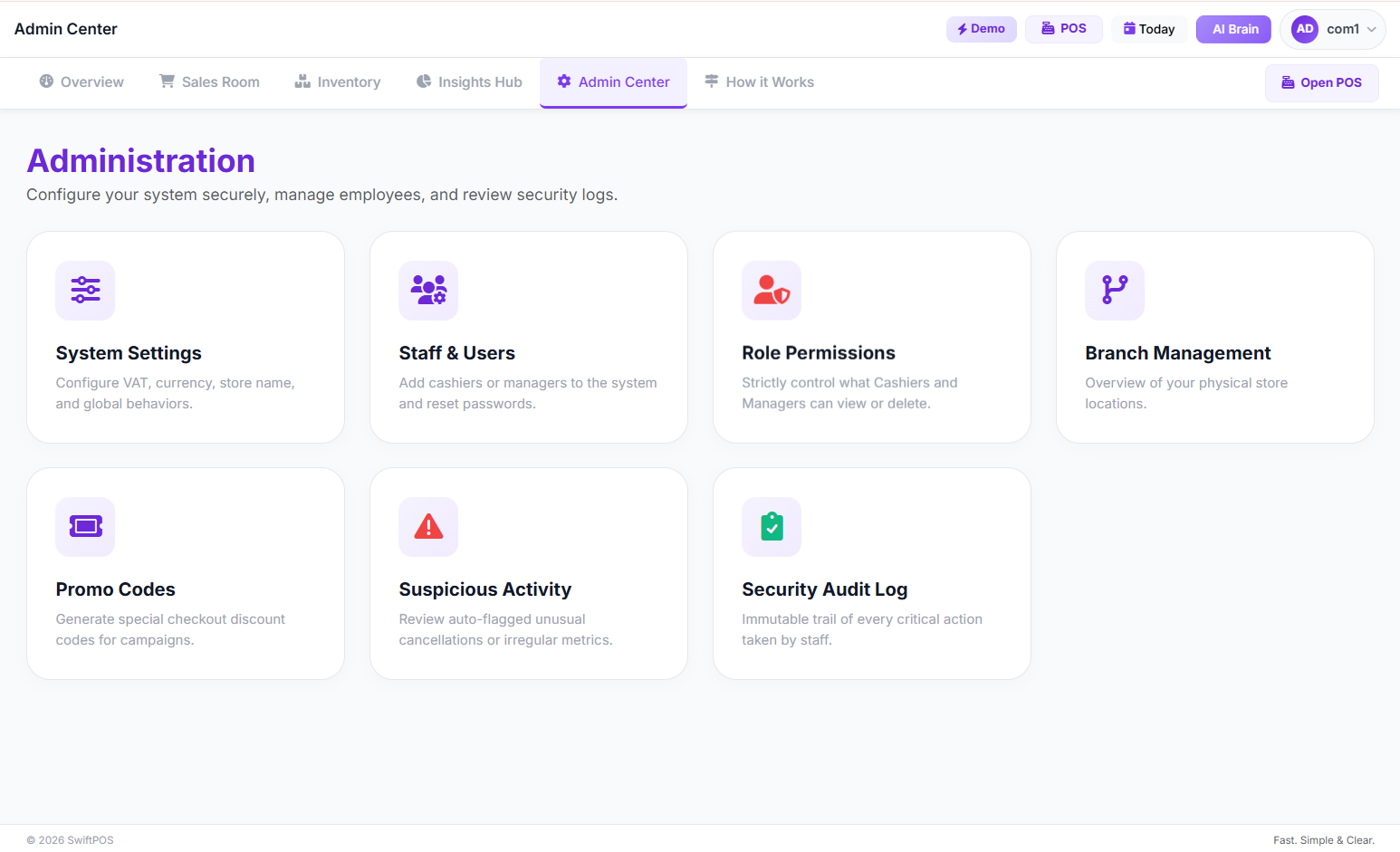 Admin Center Hub
Step 6: Marketing and Promotion
You can have the best clothes, but if nobody knows about them, you won't sell anything. Start with basic social media presence – Instagram, Facebook. Post good quality pictures. Engage with your audience.
Consider targeted paid ads, starting from ₦10,000 monthly. Word-of-mouth is powerful, so encourage satisfied customers to spread the word. Host a small launch event. Get creative!
Step 7: Continuous Management and Analysis
Opening is just the beginning. You need to constantly monitor your sales, inventory, and expenses. Are you making a profit? Which items are your bestsellers? Where are you losing money? This isn't guesswork; it's data.
A tool that helps you track your monthly profit margins and gives you insights into your business performance is invaluable. You need to know your numbers to make informed decisions. Don't let your business run on assumptions; run it on facts.
5 Mistakes That Cost Nigerian Business Owners the Most
I've seen these mistakes play out time and time again, draining capital and crushing dreams. Avoid them if you want your clothing business to thrive.
- Ignoring Proper Inventory Management: This is a big one. Many small clothing shops just buy stock, put it on shelves, and hope for the best. They don't track what comes in, what goes out, or what's sitting too long. A lack of proper inventory management leads to lost stock, expired goods (yes, even clothes can go out of season and become "expired"), and capital tied up in slow-moving items. I once saw a boutique owner in Surulere discover ₦300,000 worth of old stock hidden in her storeroom that she'd completely forgotten about. That's cash just sitting there! Without a clear picture of your stock, you can't make smart buying decisions. Read more about Nigerian Retailers: Inventory Management Mistakes Crushing Your Profits.
- Underestimating Operational Costs: Everyone budgets for rent and initial stock. But what about generator maintenance? Diesel costs (which can be ₦50,000-₦150,000 monthly for a small shop)? Unexpected repairs to the AC or lighting? Small transport fees for market runs? These "small" costs add up quickly and can eat into your profit. A friend of mine running a small fabric store in Computer Village nearly closed down because he hadn't factored in the daily cost of printing receipts and small repairs to his shop.
- Neglecting Proper Record-Keeping: Many business owners still rely on notebooks or basic Excel sheets. This makes it nearly impossible to truly know your profit and loss. You can't identify your best-selling items, track customer purchases, or spot employee theft if your records are messy. This is one of the biggest hidden costs of manual retail operations in Nigeria. What are you missing? Probably a lot.
- Poor Staff Management and Oversight: If you have staff, you need to manage them. Without clear roles, permissions, and a way to track their activities, you're inviting problems. Unauthorised discounts, cancelled sales, or even outright theft can go unnoticed. You need a system that gives you visibility. How do you set staff access permissions in your retail software? It’s crucial for protecting your assets.
- Failing to Adapt to Technology: The world is moving fast. If you're still doing everything manually in 2026, you're at a disadvantage. Competitors are using POS systems to gain insights, manage stock, and streamline sales. Sticking to traditional bookkeeping methods might feel comfortable, but it's often more expensive in the long run due to errors, inefficiencies, and missed opportunities. Don't be that person still using spreadsheets when a dedicated POS system could transform your business.
How to Know If You're on Track (Success Metrics)
So, you've started your clothing business. How do you know if you're actually succeeding, or just spinning your wheels? You need to track key retail metrics. This isn't just about how much money is in your bank account; it's about understanding the health of your business.
- Sales Growth: Are your sales increasing month-on-month? Even a small percentage growth (like 5-10%) is a good sign. Track your daily, weekly, and monthly sales figures.
- Gross Profit Margin: This tells you how much money you're making from each sale after deducting the cost of the goods. For clothing, a healthy gross profit margin can be anywhere from 30% to 60%, depending on your niche. If it's too low, you might need to adjust your pricing or find cheaper suppliers.
- Inventory Turnover Rate: How quickly are you selling your stock? A high turnover rate means your capital isn't sitting idle on shelves. For clothing, you want to turn over your inventory several times a year. If items are sitting for months, you have dead stock. This is where a system like SwiftPOS can really shine, giving you and identifying low-stock risks.
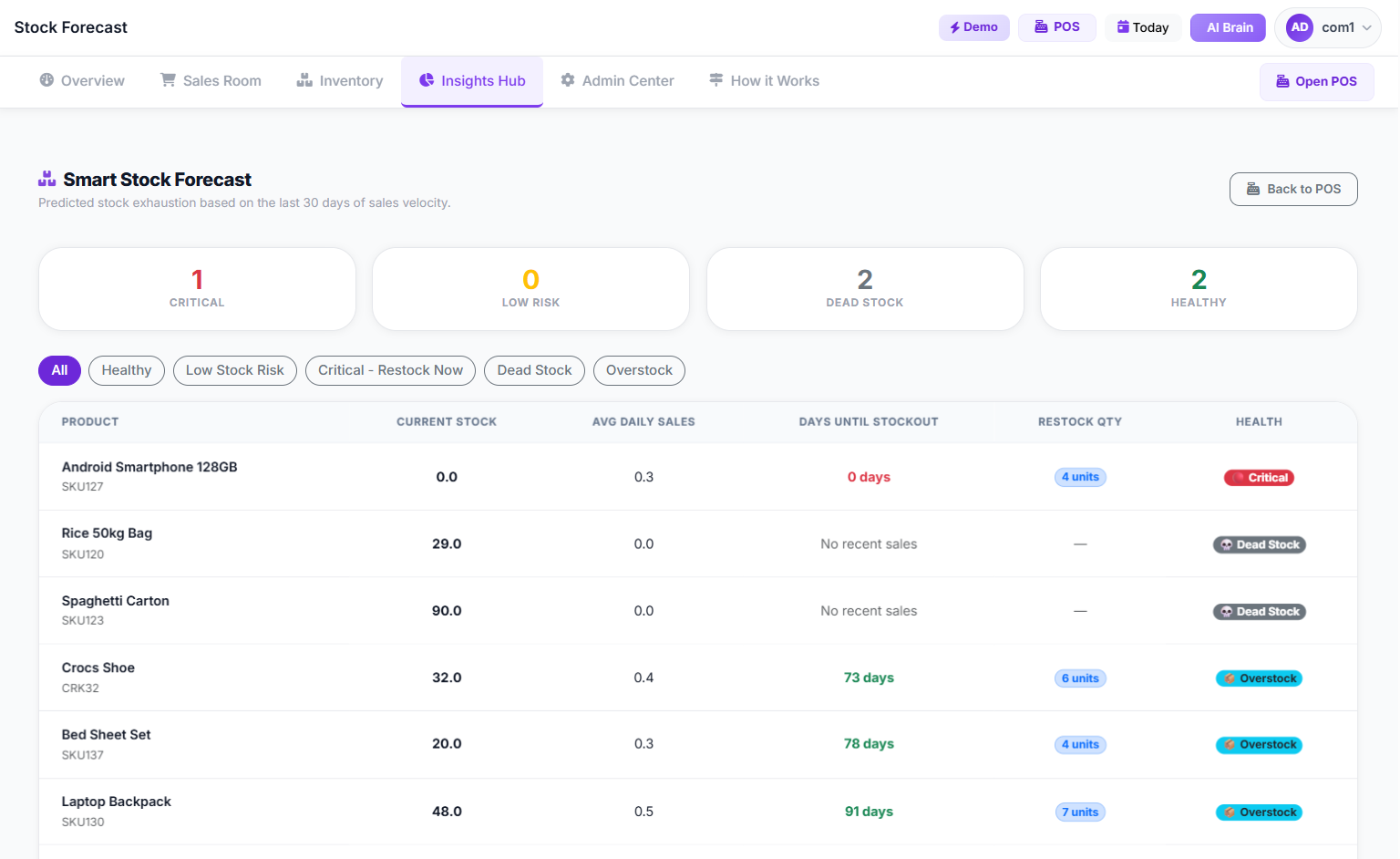 smart stock forecasts
 - Customer Retention Rate: Are your customers coming back? Loyal customers are gold. Track how many of your sales come from repeat buyers. Offer loyalty programs. A high retention rate means you're building a strong customer base.
- Operating Expenses vs. Revenue: Are your expenses growing faster than your revenue? Keep a close eye on all your operating costs – rent, salaries, utilities, marketing. Your revenue should always outpace your expenses significantly to ensure profitability.
- Staff Performance: If you have staff, how are they performing? Are they hitting their sales targets? Are they handling customers well? SwiftPOS allows you to and sales performance, helping you identify top performers and areas for improvement.
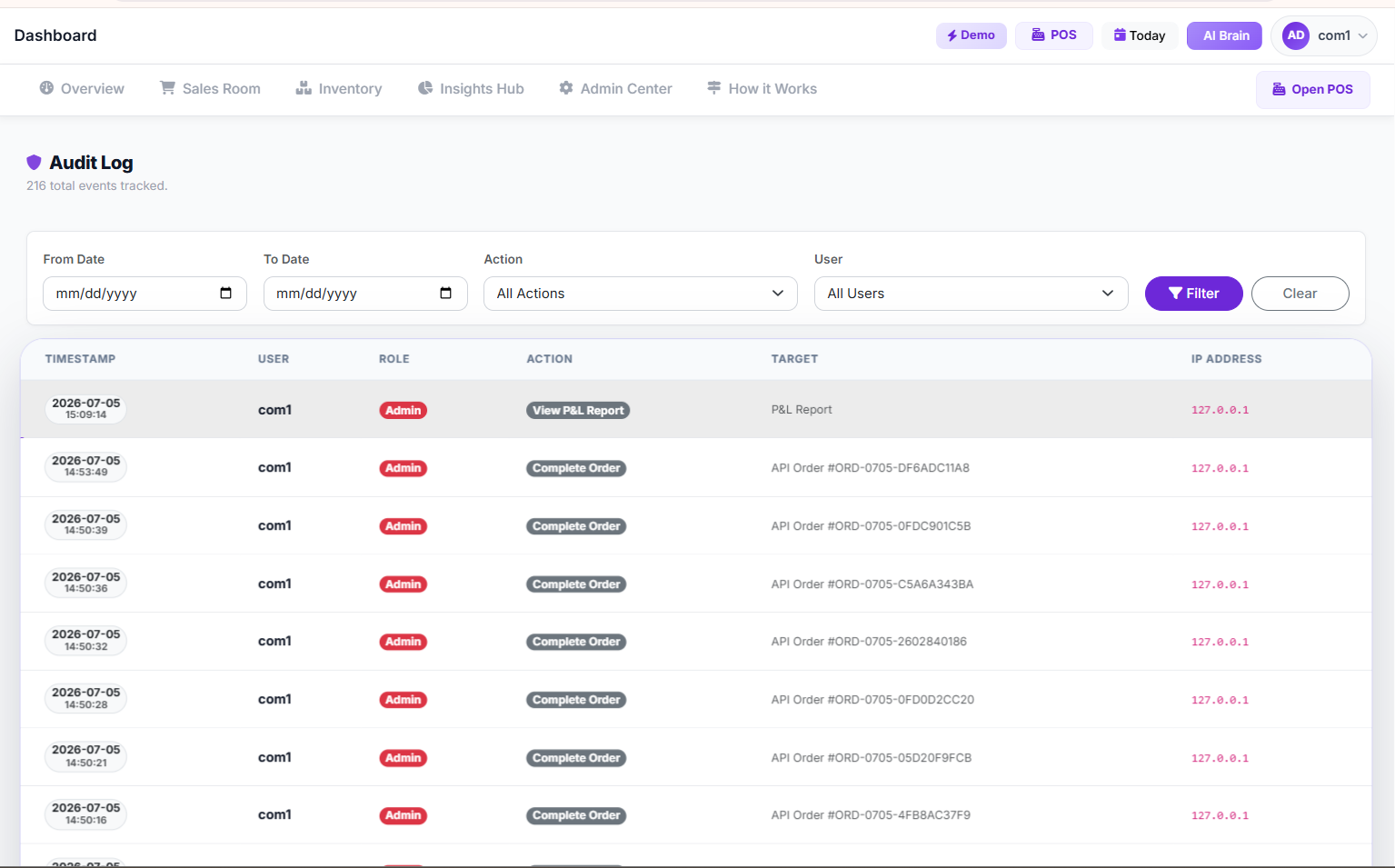 review staff activity
Real Questions People Ask (FAQ)
Q1: Can I start a clothing business in Nigeria with less than ₦200,000?
A: Honestly, it's very challenging but not impossible, especially in 2026. If you're talking about a physical shop with initial stock, rent, and basic fixtures, ₦200,000 is extremely tight. You might only cover initial stock (around ₦150,000) and maybe CAC registration (₦15,000-₦35,000). You'd have almost nothing left for rent, renovations, or unexpected costs. Your best bet with this budget is to start online, selling from home, and focusing on a very niche, small batch of items sourced directly from local tailors or markets like Balogun. You'd completely cut out shop rent and renovation costs, which are your biggest expenses.
Q2: What's the biggest ongoing expense for a clothing shop in Lagos?
A: Without a doubt, it's usually shop rent, especially for prime locations. Annual rent for a decent space in a high-traffic area in Lagos can easily be ₦1,500,000 to ₦2,500,000. After rent, inventory replenishment and staff salaries (₦40,000-₦80,000 per staff member monthly) are significant. Don't forget electricity/generator fuel; that's a recurring cost that can quickly add up to ₦50,000 to ₦150,000 per month depending on usage and generator size.
Q3: How important is a business plan for a fashion business capital in Nigeria?
A: Extremely important! Think of it as your blueprint. It's not just a document for investors; it's for you. It forces you to think through everything: your target market, your unique selling proposition, your operational strategy, and most importantly, your financial projections. A well-thought-out plan helps you identify potential pitfalls, estimate your clothing business startup cost accurately, and define your path to profitability. Without one, you're just guessing, and that's a recipe for disaster.
Q4: Should I start with an online store or a physical shop for my clothing business?
A: For a beginner with limited capital, starting with an online store is often the smarter move. It drastically reduces your initial clothing shop cost by eliminating rent, extensive renovations, and many utility bills. You can test your market, build a brand, and gain experience without the massive overheads of a physical location. Once you've built a solid customer base and have consistent cash flow, then you can consider a physical storefront. Many successful clothing businesses in Nigeria today started purely online.
Q5: How can a POS system help my clothing business manage inventory effectively?
A: A POS system like SwiftPOS is a game-changer for inventory management. Instead of manual counting or error-prone spreadsheets, it automatically updates stock levels every time you make a sale. You can track products by categories, sizes, and colors, set reorder points, and get alerts when stock is low. This means you avoid overstocking (tying up capital) and understocking (missing sales). It also helps you identify fast-moving items versus dead stock, allowing you to make smarter purchasing decisions. It's about having real-time data at your fingertips, which is critical for profitability. You can even manage stock separately across multiple branches if you grow.
Your Next Move
Now that you have a clearer picture of what it takes to start a clothing business in Nigeria, it's time to get serious. Take everything you've learned here, put it into a solid business plan, and then look for the right tools to help you manage it. Don't let the numbers scare you; let them empower you to plan better.
If you're serious about taking control of your clothing business, managing your inventory, tracking your sales, and understanding your true profit, you need a system that works for you. Check out SwiftPOS NG. It’s designed specifically for Nigerian businesses like yours, helping you move from guesswork to informed decisions. You can even explore their features to see how it can simplify your operations.

How Much Does It Cost to Open a Cosmetics Shop in Nige…
Oct 17, 2026
How to Start a Cosmetics Business in Nigeria: A Step-b…
Oct 17, 2026
Restaurant Startup Cost in Nigeria: Your Complete Guide
Oct 16, 2026